Our Frame Work
Core Infrastructure:
Reliable Internet Connectivity – High-speed, redundant connections to ensure uninterrupted service.
Servers & Hosting – Cloud-based or on-premises servers for handling chat applications and customer data.
Scalable Architecture – Ability to handle growing volumes of concurrent chats.
Load Balancing – Distributing traffic efficiently to prevent downtime during peak usage.
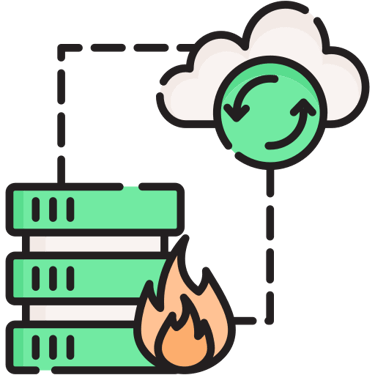
Disaster Recovery Plan – Backup data centers or recovery protocols to minimize downtime during failures.


Chat Support Platform:
Live Chat Software – A robust platform (e.g., Zendesk, Freshdesk, Intercom, custom-built).
Multi-Channel Integration – Support for website chat, mobile apps, social media, and messaging platforms.
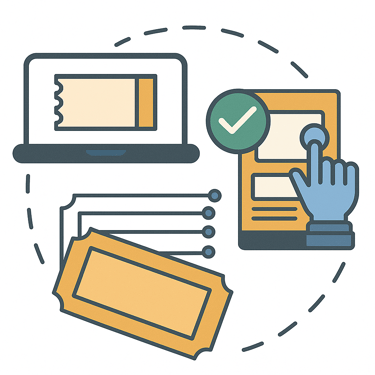
Ticketing System Integration – Provided by client for ticket creation and tracking for unresolved issues.
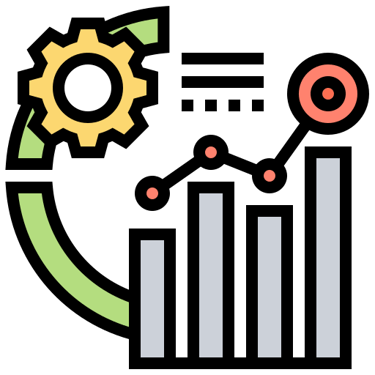
Real-Time Analytics & Reporting – Comprehensive reporting tools that allow real-time tracking of agent performance, customer satisfaction, and chat volume, enabling continuous optimization of support processes and resources.
Custom Branding & Personalization – Ability to customize the interface to match the client’s brand identity.
Communication Tools:
Internal Collaboration Tools – Slack, Microsoft Teams, or equivalent for agent collaboration.
Knowledge Base & FAQ Systems – Centralized resources for quick reference and customer self-service.
Email & CRM Integration – To maintain a seamless flow of customer interaction.
Shared Calendars & Task Management – Tools for coordinating shift schedules and task assignments.
File Sharing & Document Collaboration – Secure channels for quick access to resources.








Security & Compliance:
Data Encryption – End-to-end encryption for customer communications.
Authentication Systems – Secure login with multi-factor authentication for agents.
Regular Backups – Automated backup systems to prevent data loss.
Audit Trails & Logging – Complete history of interactions for accountability and compliance checks.
Role-Based Access Control – Restricting access based on employee responsibilities.
Monitoring & Analytics:
Real-Time Dashboard – To monitor agent performance, chat volume, and response times.
Analytics & Reporting Tools – Insights on customer satisfaction, resolution time, and workload trends.
Quality Monitoring – Chat transcript review for performance and training purposes.
Customer Satisfaction Surveys (CSAT/NPS) – Direct feedback to measure service quality.
Predictive Analytics – Forecasting chat volumes and staffing needs.
Agent Performance Scorecards – Individual metrics to encourage accountability and improvement.



Agent Tools:
Canned Responses/Templates – For quick, consistent replies.
AI-Powered Assistance – Suggested responses, sentiment analysis, and automated FAQs.
Training Simulations – Sandboxed environment for practice before live support.
Spellcheck & Grammar Tools – To ensure professional and error-free communication.
Quick Access Shortcuts – Keyboard shortcuts and hotkeys for efficiency.
Knowledge Suggestion Engines – AI-based prompts that recommend relevant articles while chatting.

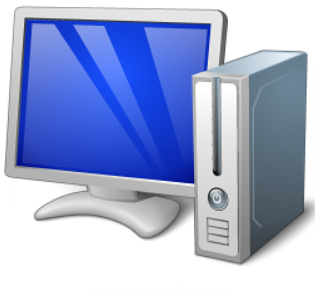
Hardware Infrastructure:
Workstations/Laptops – Reliable systems with updated OS, browsers, and productivity tools.
Headsets – Noise-canceling and comfortable for long use.
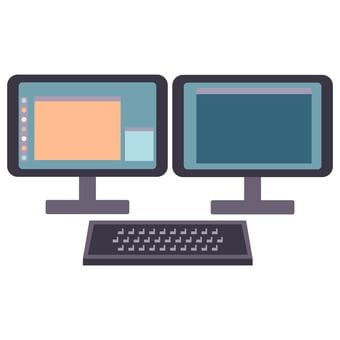
Dual Monitors – For multitasking between chats and knowledge base access.
Ergonomic Accessories – Equipped with ergonomic chairs and input devices to ensure sustained comfort and efficiency.
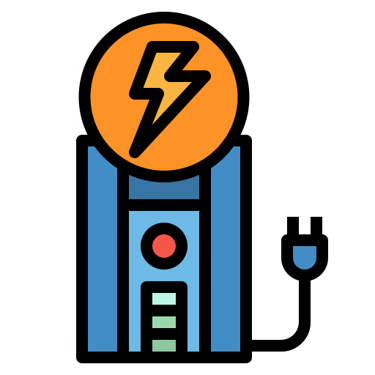
Uninterruptible Power Supply (UPS) – Backup power systems to avoid disruptions during outages.
Secure Devices – Systems configured with antivirus, firewalls, and endpoint protection.







Support
Expert technical chat support services, available 24/7 for your convenience.
Contact
support@miimtech.co.in
+91 9790143406
© 2025. All rights reserved.




Join Us Today
+91 9677494643